
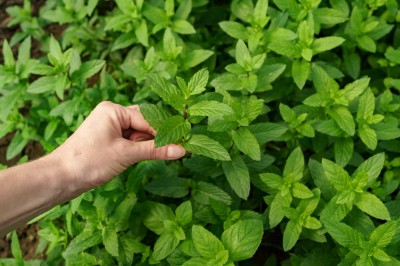
It’s a common scenario: a lush basil plant is purchased from the supermarket, only to wither away in a matter of weeks. While one might assume that the plant’s demise is due to neglect, the underlying problem often begins long before the basil even arrives at your doorstep.
Supermarket basil, characterized by its dense foliage, is typically a bundle of numerous young plants crammed into a single pot. This arrangement, although visually appealing, leads to overcrowding, causing the seedlings to vie for essential resources like water, sunlight, and nutrients. As a result, the basil plant becomes weakened.
To combat this issue, a straightforward method involves dividing the basil into smaller clusters and repotting them. By carefully extracting the plant from its container and gently separating the roots into three or four sections, each new section can then be placed into its own pot with fresh compost. Ensuring that as many roots as possible remain intact is crucial. Once transplanted, the sections should be watered thoroughly and positioned in a warm, bright spot.
Trimming the tops of the basil regularly promotes bushier growth and delays premature flowering, helping the plant thrive. When given adequate space to develop, the separated basil plants have a better chance of remaining healthy and productive over time.
In practice, this technique has shown encouraging outcomes. An experiment with a single pot of supermarket basil, divided into four distinct sections, resulted in three of the sections flourishing and producing fresh leaves over the subsequent month. By providing supermarket basil with the room it needs, a fleeting kitchen herb can evolve into a sustainable source for culinary and gardening endeavors.