
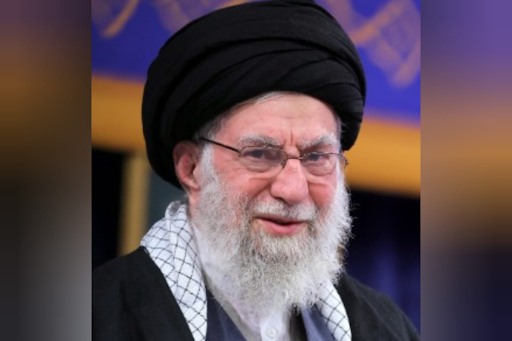
Iran’s constitution was written in the aftermath of revolution, amended in 1989, and has governed the Islamic Republic ever since. It contains detailed provisions for the death of a Supreme Leader and the selection of a successor. What it does not contain is any provision for managing that process during an active armed conflict while the country is under military attack. Iran is now navigating that uncharted territory.
The constitution provides for a temporary leadership council comprising the president, the judiciary chief, and a senior member of the Guardian Council to assume the Supreme Leader’s functions while the Assembly of Experts selects a permanent replacement. That council has been formed and is operating. The constitutional machinery, at least in its formal dimensions, appears to be functioning as designed.
The deeper constitutional questions are harder. The legitimacy of the entire Velayat-e Faqih system — the doctrine that a qualified Islamic jurist should govern the state — rests ultimately on religious authority that cannot simply be transferred by constitutional provision. The next Supreme Leader will need to establish a basis for his authority that goes beyond legal appointment.
Historically, that authority has been built through a combination of religious scholarship, political credibility, and the backing of key institutional actors including the IRGC, the Guardian Council, and the broader clerical establishment. Assembling all of these elements under wartime conditions, with the country under external attack and facing domestic unrest, is a formidable challenge.
Constitutional scholars and Iran experts are watching the process closely for signs of deviation from established procedures — emergency provisions, indefinite postponement of the succession process, or overt IRGC intervention in what is nominally a clerical selection. Any of these would signal a more fundamental transformation of the Islamic Republic’s governance model than the constitution contemplates.