
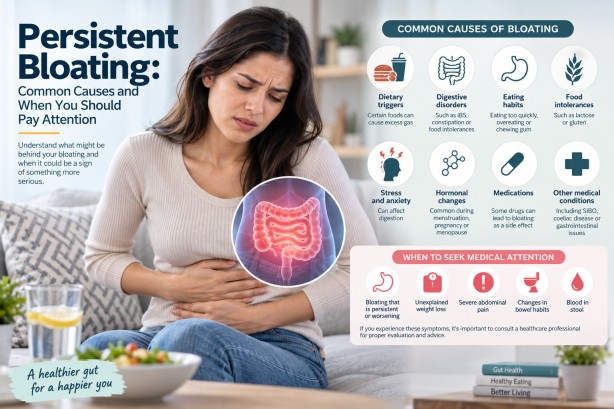
Many people experience bloating occasionally, particularly after indulging in a large meal or when the digestive system reacts unfavorably to certain foods. However, if the sensation of a swollen, tight, or uncomfortable stomach becomes frequent, it may be beneficial to consider factors beyond recent dietary choices. Hormonal changes, digestion issues, stress, and lifestyle habits are everyday contributors to repeated bloating.
Hormones can significantly impact digestion and how the body retains fluids. Fluctuations in hormone levels may lead to increased water retention, constipation, or slow the passage of food through the digestive tract. This effect is often more pronounced in women during various phases of their menstrual cycle or as they approach menopause.
Digestive slowdown can also result in bloating, as food and gas linger longer in the digestive system, causing feelings of fullness, heaviness, and abdominal swelling. Eating too quickly, consuming overly large meals, or maintaining an irregular eating schedule can exacerbate digestive discomfort. Additionally, the connection between the brain and the digestive system means that prolonged stress can disrupt normal digestive functions, contributing to symptoms like bloating, constipation, stomach discomfort, or changes in appetite. Incorporating relaxation time, consistent sleep patterns, and gentle physical activities can enhance overall digestive health.
Adopting small changes in daily routines can alleviate bloating. Taking time to eat slowly and chew thoroughly, avoiding large meals late at night, limiting foods high in salt or heavily processed, ensuring adequate water intake, and engaging in physical activities like gentle walks after meals can all help. Observing when bloating occurs can reveal patterns, such as its connection to the menstrual cycle or stressful periods.
While occasional bloating is typically harmless, persistent or worsening symptoms should not be dismissed as normal. Consulting a healthcare professional is crucial if bloating becomes painful, persists for extended periods, or is accompanied by other alarming symptoms like unexplained weight loss, continuous fatigue, changes in bowel habits, vomiting, blood in the stool, or other unusual signs. Understanding the root cause of bloating is more effective than continuously attempting to manage it with dietary changes or home remedies. Ultimately, bloating is influenced by more than just food; hormones, digestion, stress, hydration, exercise, and eating habits all play significant roles. Rather than eliminating foods outright, it’s essential to recognize patterns and foster sustainable lifestyle habits, seeking medical advice if necessary for ongoing or concerning symptoms.