
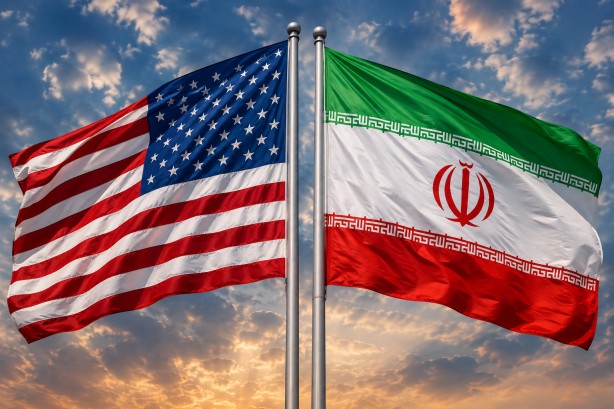
The United States has intensified its military actions against Iran by launching a new series of airstrikes, targeting several strategic locations. This development comes after President Donald Trump declared the end of an interim agreement aimed at easing tensions between the two nations. According to reports from Iranian media, explosions were heard in Bandar Abbas, Sirik, and Bushehr province. Meanwhile, the US military confirmed that its operations were directed at sites considered critical to Iran’s capacity to disrupt maritime security in the Strait of Hormuz.
This latest military engagement follows an incident on Tuesday when three commercial vessels navigating the Strait of Hormuz were attacked, significantly heightening hostilities between Washington and Tehran. In the wake of this, the United States revoked a temporary sanctions waiver that had enabled Iran to continue its oil exports. President Trump stated that the airstrikes were a direct response to the aggression against commercial vessels and cautioned that any additional provocations from Iran would be met with a more severe reaction from the US.
In a retaliatory move, Iran launched missiles and drones targeting US military installations in the Gulf region, specifically in Bahrain and Kuwait. The Kuwaiti military reported successfully intercepting incoming aerial threats, although there were no immediate reports of substantial damage from these attacks. Iranian authorities asserted that the strikes in Bushehr province did not impact the nation’s nuclear power plant, and they reaffirmed their stance, stressing that military pressure would not deter Iran from its current position.
The escalation of conflict in the region has sparked concerns over the stability of global energy supplies, as the Strait of Hormuz is a pivotal route for oil shipments worldwide. This uncertainty has led to a sharp increase in oil prices, reflecting investors’ anxieties over the potential for further disruptions. As tensions continue to mount, the international community remains watchful of how these developments might influence geopolitical dynamics and economic stability.