
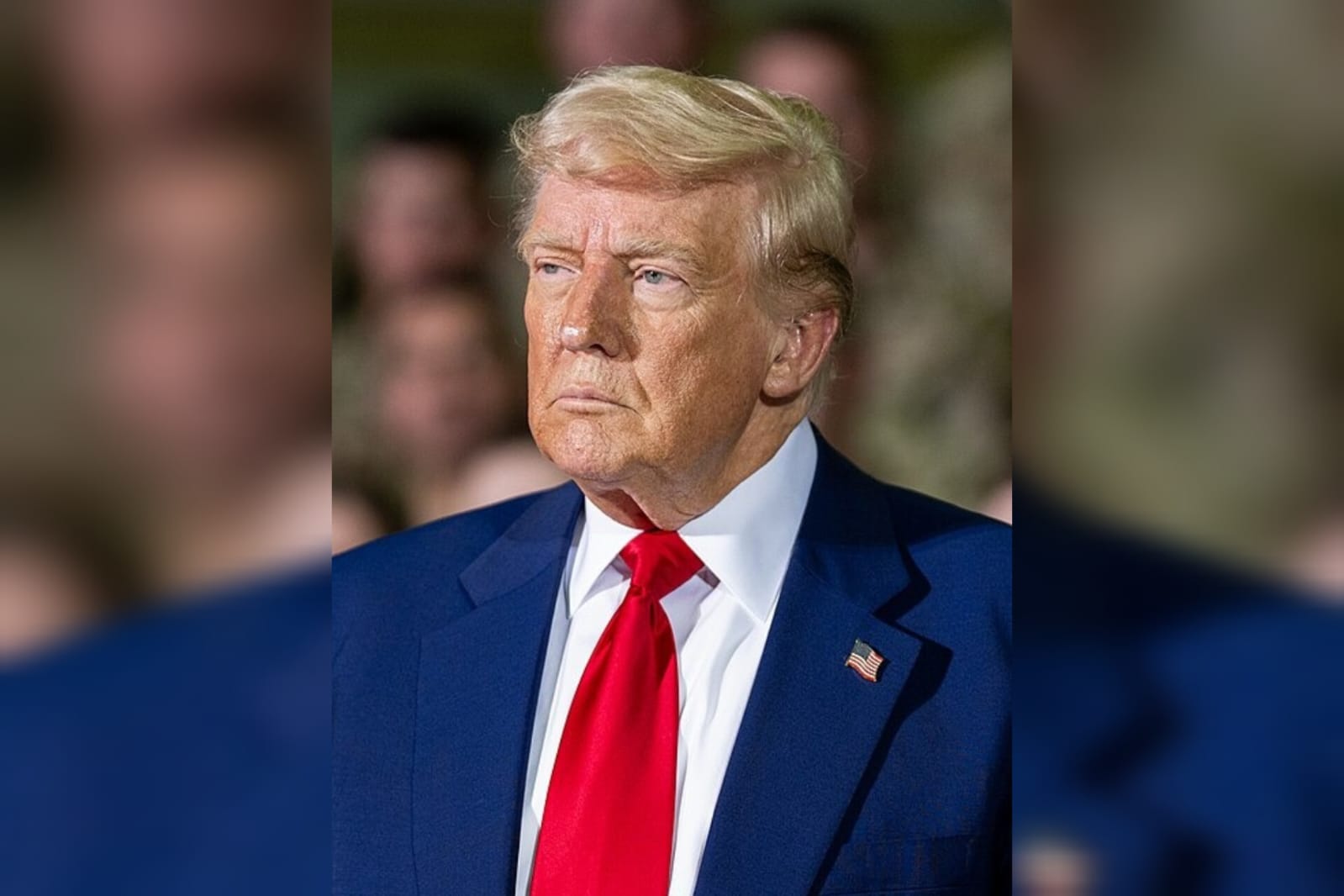
In a significant diplomatic development, U.S. President Donald Trump and Iranian President Masoud Pezeshkian have signed a 14-point agreement aimed at easing tensions between the two nations. This agreement is heralded as a crucial step towards preventing a global economic crisis by reopening the Strait of Hormuz, a key oil shipping lane. The pact initiates a 60-day period dedicated to further negotiations that seek to establish a comprehensive and lasting resolution.
Key elements of the agreement include Iran’s commitment to reopen the Strait of Hormuz and engage in discussions about its nuclear program. In exchange, the United States has agreed to relax certain sanctions, permit the export of Iranian oil, release billions in frozen Iranian assets, and back broader economic initiatives to aid Iran’s economic recovery. Additionally, the deal encompasses talks on reducing Iran’s stockpile of highly enriched uranium under international oversight.
President Trump has advocated for the agreement, emphasizing that diplomatic efforts are essential to avoiding a broader conflict that could severely disrupt the global economy. He pointed out that the reopening of the Strait of Hormuz is expected to stabilize energy markets and mitigate risks to international maritime activities. Trump also noted that while Gulf states might invest in Iran’s reconstruction efforts, the United States would not be providing financial assistance.
The reception of the agreement has been mixed. Proponents argue that it eases regional tensions, secures global energy supplies, and opens the door for extended negotiations on Iran’s nuclear program. On the other hand, detractors contend that the agreement offers Iran significant economic benefits without sufficiently addressing concerns over its ballistic missile program and regional ambitions, potentially granting Tehran considerable financial and strategic leverage.
Further commitments within the agreement are designed to reduce hostilities in the region. Iran has assured it will not pursue nuclear weapons and will demonstrate restraint through its regional allies. Additional negotiations are anticipated to tackle unresolved issues, such as missile development and broader security in the Middle East. While both nations regard the agreement as a pivotal moment, its ultimate success hinges on the forthcoming negotiations and their outcomes.